
Aug
10
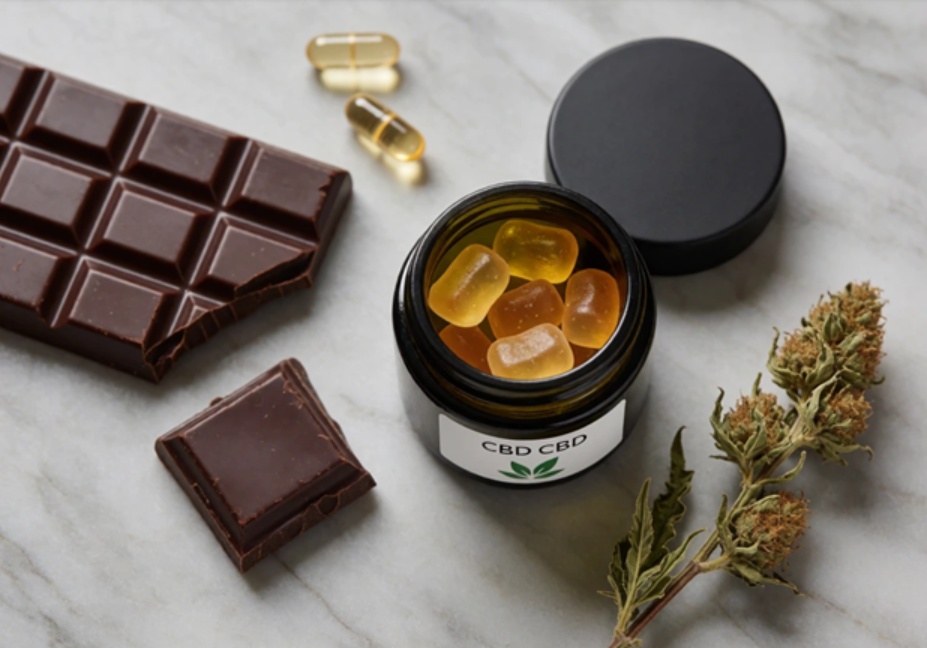
CBD edibles have carved out their own corner of the cannabis market, and it’s not hard to see why. They deliver cannabidiol in a format that’s familiar, portable, and requires zero preparation. No dropper bottles, no vape pens, no measuring — just a gummy, a chocolate, or a capsule that does the work for you.
But the category has grown fast, and the options can feel overwhelming. Not every CBD edible is built the same way, and knowing what separates a good product from a mediocre one saves both money and frustration Cannabliss Dispensary.
What Makes CBD Edibles Different from THC Edibles
The most important distinction is straightforward: CBD edibles don’t produce a high. THC is the cannabinoid responsible for psychoactive effects. CBD works differently, interacting with the body’s endocannabinoid system without the intoxication that comes with THC.
That makes CBD edibles appealing to people who want the potential benefits of cannabis without any altered mental state. They’re a common choice for daytime use, and many consumers pair them with their regular wellness routines the same way they’d take a daily vitamin.
Common Formats Worth Knowing
Gummies dominate the CBD edible market, and for good reason. They come in precise doses, taste good, and travel well. Most brands offer them in strengths ranging from 10mg to 50mg per piece, so you can start low and adjust.
Chocolates are the second most popular format. They tend to carry a slightly higher price tag but offer a richer experience for consumers who prefer something beyond fruit-flavoured candy. Dark chocolate and CBD pair especially well together, with the bitterness of the chocolate masking any residual hemp flavour.
Capsules and softgels sit at the no-nonsense end of the spectrum. There’s no flavour to speak of — you swallow them with water and move on. They’re favoured by consumers who treat CBD as a supplement rather than a treat.
Baked goods round out the category. Cookies, brownies, and protein bars infused with CBD all exist, though they’re less common in online catalogues and tend to have shorter shelf lives than gummies or capsules.
How to Pick a Quality Product
Potency labelling is the first thing to check. A good CBD edible lists the exact milligram count per serving on the package, not just a vague total for the entire bag. Consistency between pieces matters — if one gummy has 20mg and the next has 12mg, that’s a manufacturing problem.
The source of the CBD also matters. Full-spectrum extracts contain a range of cannabinoids and terpenes alongside CBD, which many consumers prefer for the “entourage effect.” Broad-spectrum removes THC while keeping other compounds. Isolate is pure CBD with nothing else. Each has its audience, and none is inherently better — it depends on what you’re after.
Third-party lab testing is the clearest quality signal. Reputable brands publish certificates of analysis that verify potency and confirm the product is free of contaminants like heavy metals and pesticides.
Starting with CBD Edibles
If you’re new to the format, begin with a low dose — 10mg to 15mg — and give it time. Edibles pass through the digestive system before reaching the bloodstream, which means effects take longer to appear than they would with a tincture or vape. Most people notice the onset within 45 minutes to two hours. Patience here pays off, because stacking doses too early is the most common mistake newcomers make.
CBD edibles reward a slow, consistent approach. Find a product you trust, settle on a serving that works, and let the routine do the rest. …